
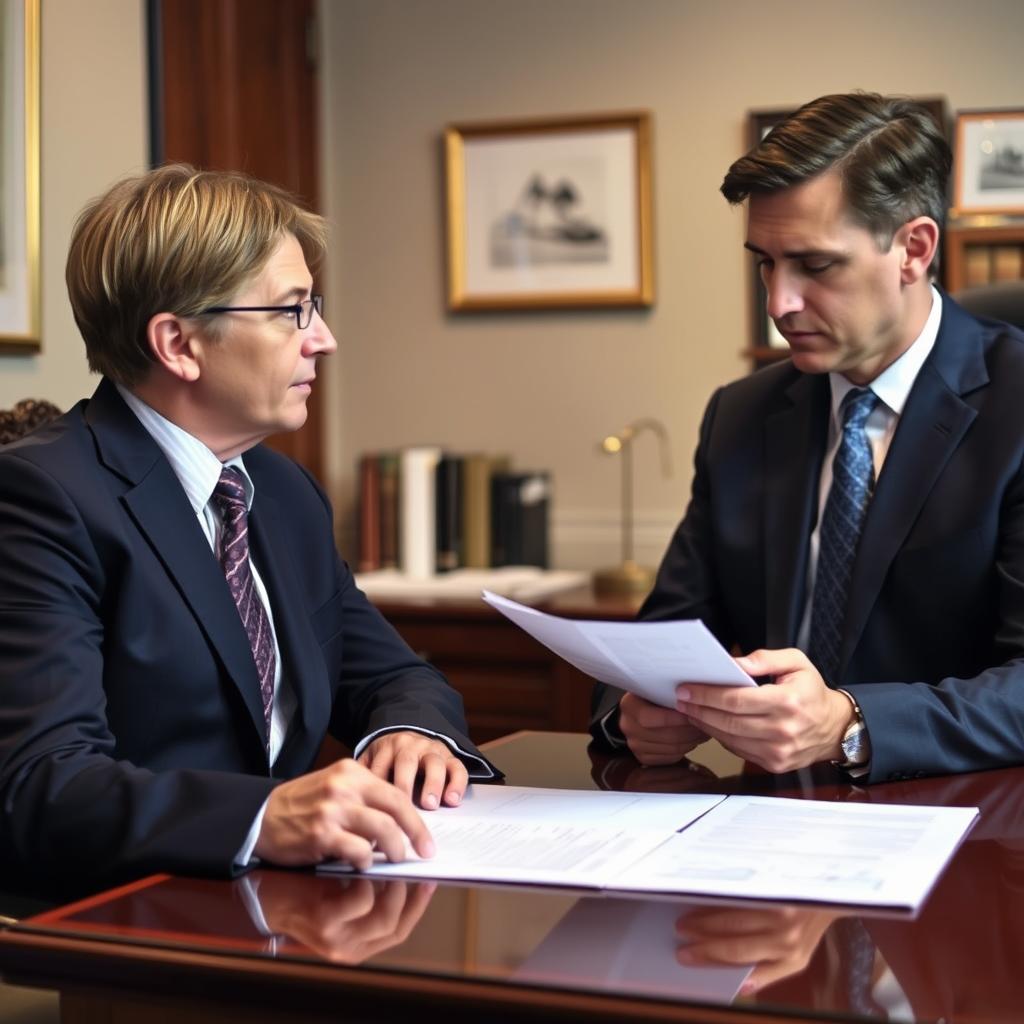
Obstruction Defense Lawyer Fauquier County, VA
An obstruction charge under Va. Code § 18.2-460 can upend a person’s career, family, and freedom. In Fauquier County, these cases are prosecuted by the Commonwealth’s Attorney at the Fauquier County General District Court or Fauquier County Circuit Court. A conviction—whether a misdemeanor or a felony—creates a permanent criminal record that affects employment, housing, and even immigration status. Mr. Sris and the firm’s Of Counsel attorneys bring extensive combined legal experience to obstruction defense matters, focusing on identifying weaknesses in the prosecution’s case and working toward a favorable resolution. If you are facing an obstruction charge in Warrenton, New Baltimore, Bealeton, or anywhere in Fauquier County, contact Law Offices Of SRIS, P.C. at (888) 437-7747. Law Offices Of SRIS, P.C. – Advocacy Without Borders.
What Obstruction Defense Means in Fauquier County
Virginia’s obstruction statute, Va. Code § 18.2-460, penalizes conduct that interferes with a law enforcement officer, judge, magistrate, or other court official. The offense divides into two tiers: a general obstruction charge and an aggravated charge when threats, force, or impersonation is involved. In Fauquier County, the Twentieth Judicial District oversees these cases—misdemeanor obstruction matters start in the General District Court at 6 Court Street, Warrenton, VA 20186, while felony obstruction cases, after a preliminary hearing, proceed to the Circuit Court. The Commonwealth’s Attorney for Fauquier County decides which charges to pursue and whether to offer an amendment or reduction. Because the prosecutor has broad discretion, early engagement by an experienced defense attorney can influence the direction of the case before formal proceedings begin.
A violation of Va. Code § 18.2-460(A) for general obstruction is a Class 1 misdemeanor, punishable by up to 12 months in jail and a fine of up to $2,500. Under subsection (B), obstruction involving a threat of bodily harm or use of force is a Class 5 felony, carrying a sentence of 1 to 10 years.
Source: Va. Code § 18.2-460
Reviewed by Mr. Sris, admitted in VA/MD/DC/NJ/NY.
Defending an obstruction charge in this county requires familiarity with the local bench and the prosecutorial practices of the Commonwealth’s Attorney’s Office. Mr. Sris and the firm’s Of Counsel attorneys, including attorneys with direct law enforcement experience, understand how police officers build obstruction cases—often from discretionary arrests during traffic stops or disturbance calls. This perspective allows the defense to challenge whether the alleged conduct actually hindered an official act, whether the officer was lawfully performing a duty at the time, or whether the defendant’s words or actions fell within constitutionally protected expression. In appropriate cases, the defense may also pursue a deferred disposition or, with the prosecutor’s agreement, have the charge amended to a less serious offense.
How Mr. Sris and the Firm’s Of Counsel Attorneys Handle Obstruction Cases
Every obstruction allegation rests on a specific set of facts. The defense begins with a thorough review of the arrest report, body-worn camera footage, witness statements, and the legal basis for the stop or encounter. If the officer lacked reasonable suspicion or probable cause, the underlying encounter may be challenged through a motion to suppress. Where the charge involves a threat or use of force, the defense often examines whether the defendant’s conduct rose to the level required by the statute or whether the officer’s perception of a threat was objectively reasonable.
Virginia’s plea negotiation framework under Supreme Court Rule 3A:8 permits the defense and the Commonwealth’s Attorney to discuss a resolution without the court’s direct involvement. In obstruction cases, a negotiated outcome could result in a reduced charge—such as disorderly conduct—or a dismissal after completion of community service or an education program. Mr. Sris and the firm’s Of Counsel attorneys work to present mitigating evidence early, including the defendant’s background, employment, and lack of prior record, to position the case for the most favorable resolution possible under the circumstances.
Law Offices Of SRIS, P.C. has documented case results in Fauquier County, including obstruction-related matters where the charge was reduced or amended.
Source: Firm case records. Results may vary.
Reviewed by Mr. Sris, admitted in VA/MD/DC/NJ/NY.
About Mr. Sris and the Firm’s Of Counsel Attorneys
Mr. Sris, Owner and Founder of Law Offices Of SRIS, P.C., has practiced criminal defense since the firm’s founding in 1997. A former prosecutor, he brings firsthand insight into how the Commonwealth builds its cases. Mr. Sris testified before the Virginia House Courts of Justice Committee in support of 2019 HB 635 (chief patron Del. David Bulova) and maintains a five-jurisdiction practice covering Virginia, Maryland, the District of Columbia, New Jersey, and New York. The firm’s Of Counsel attorneys complement this experience with backgrounds that include former law enforcement service—a valuable asset when evaluating police procedure and officer testimony in obstruction allegations. Together, Mr. Sris and the firm’s Of Counsel attorneys provide clients in Fauquier County with a defense grounded in both legal knowledge and practical understanding of the criminal justice system.
Frequently Asked Questions
What is obstruction of justice under Virginia law?
Under Virginia law, obstruction of justice is knowingly impeding a judge, magistrate, attorney for the Commonwealth, law enforcement officer, or other court official in the performance of their duties. The offense is defined in Va. Code § 18.2-460. A charge can arise from a wide range of conduct, including refusing to follow an officer’s lawful command during an arrest, providing false information to a deputy, or threatening or using force against a court official. The Commonwealth must prove that the defendant acted intentionally and that the interference was material. A defense may challenge whether any official act was actually being performed at the time of the alleged obstruction.
Is obstruction of justice a misdemeanor or a felony in Virginia?
General obstruction under Va. Code § 18.2-460(A) is a Class 1 misdemeanor, while obstruction involving a threat of bodily harm or use of force is a Class 5 felony. The classification depends on the specific conduct alleged. A simple refusal to move or verbal argument with an officer, for example, is typically charged as a misdemeanor. If the defendant is accused of threatening to harm an officer or physically resisting with force, the Commonwealth may elevate the charge to a felony. Accurate classification is critical because a felony conviction carries long-term consequences, including loss of firearm rights and voting restrictions.
Can obstruction charges be dropped or reduced in Fauquier County?
Yes, obstruction charges can be reduced or dismissed through negotiation with the Commonwealth’s Attorney or by raising successful legal defenses. The prosecution may agree to amend the charge to a lesser offense, such as disorderly conduct, if the evidence is weak or the defendant has a limited record. In some cases, a deferred disposition under Va. Code § 19.2-303.2 may be available for a first-time misdemeanor offense, allowing the charge to be dismissed after probation. An experienced attorney can evaluate whether the facts support a motion to suppress evidence, a challenge to the officer’s credibility, or a constitutional argument that the conduct was protected speech.
What should I do if I am charged with obstruction in Warrenton or Fauquier County?
If you are charged with obstruction in Fauquier County, remain silent, do not discuss the case with anyone except your attorney, and contact an experienced criminal defense lawyer immediately. The first hearing typically occurs at the Fauquier County General District Court. Statements you make to police or others can be used against you, even if you believe you are explaining your side. An attorney can review the arrest report, secure video evidence, and advise you on whether to seek a preliminary hearing or negotiate a resolution before the trial date. Prompt action can also help preserve witness recollections and any exculpatory evidence.
Do I need a lawyer for an obstruction charge in Fauquier County?
While you have the right to represent yourself, an obstruction charge—even a misdemeanor—carries potential jail time and a permanent criminal record that can affect employment, professional licenses, and immigration status. An attorney familiar with the Fauquier County courts and the local Commonwealth’s Attorney’s Office can identify procedural defenses, challenge the sufficiency of the evidence, and negotiate on your behalf. The collateral consequences of a conviction, including barriers to security clearances or college admissions, make early legal representation a practical necessity. For a consultation, reach Mr. Sris and the firm’s Of Counsel attorneys at (888) 437-7747.
Additional Criminal Defense Pages:
- Criminal Defense Lawyer Fairfax County, VA
- Criminal Defense Lawyer Prince William County, VA
- Criminal Defense Lawyer Stafford County, VA
- Criminal Defense Lawyer Loudoun County, VA
- Criminal Defense Lawyer Arlington County, VA
Official Virginia Legal Resources:
Attorney advertising. Prior results do not guarantee a similar outcome.
Results may vary.
Case results depend on a variety of factors unique to each case.