
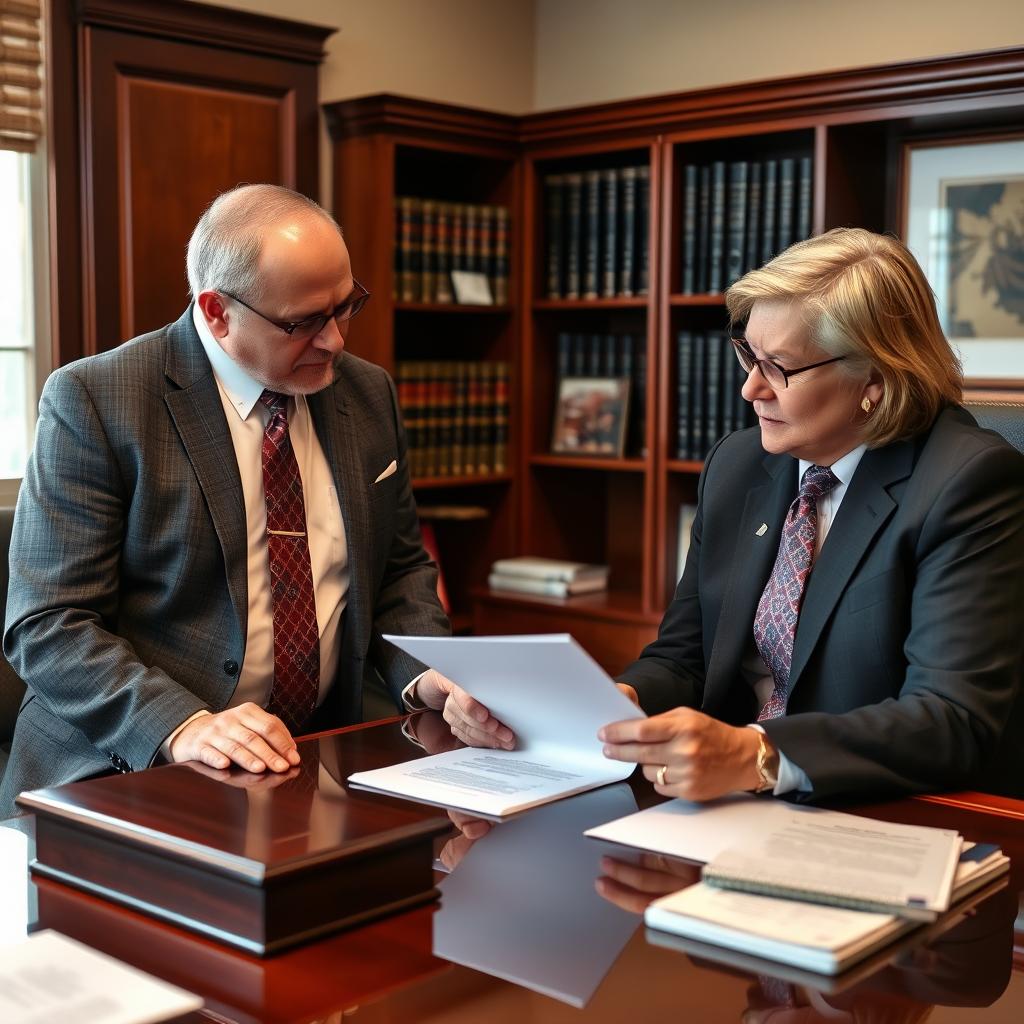
Business Succession Lawyer Chesterfield County, VA
Planning the future of your business is one of the most important decisions a owner can make, and doing so with legal guidance from an experienced team helps ensure that your company’s transition is structured correctly under Virginia law. In Chesterfield County, many businesses—from family‑run enterprises in Midlothian to professional practices in the Chester area—face the challenge of succession. Law Offices Of SRIS, P.C., founded in 1997, serves business owners throughout the Richmond metropolitan region. Mr. Sris and his Of Counsel team assist with business succession planning, helping clients navigate the intersection of Virginia corporate statutes, estate planning considerations, and the practical needs of a smooth ownership transfer. Whether you are preparing a buy‑sell agreement, restructuring an LLC, or integrating a succession plan into your estate documents, the firm can help. Reach our location at (888) 437‑7747 to discuss your business succession needs. Law Offices Of SRIS, P.C. – Advocacy Without Borders.
What Business Succession Means in Chesterfield County, VA
Business succession is the process of planning who will control and own a business when the current owner retires, becomes incapacitated, or passes away. In Chesterfield County—a suburban community south of Richmond with a diverse economy that includes retail, professional services, and manufacturing—business succession planning often involves coordinating entity‑specific governance documents with Virginia’s corporate and probate codes. The Virginia Stock Corporation Act (Va. Code § 13.1‑601 et seq.) and the Virginia Limited Liability Company Act (§ 13.1‑1000 et seq.) govern many of the businesses that operate here, while estate‑related statutes under Title 64.2 of the Virginia Code address how ownership interests transfer at death. Because Chesterfield County businesses range from single‑location shops in the Brandermill area to regional firms serving the greater Richmond market, a succession strategy must be tailored to the specific business structure, the owner’s personal goals, and the needs of family members or key employees who may become the next generation of leadership.
Many local business owners mistakenly assume that a will or a simple verbal agreement is enough to guarantee a seamless transition. Virginia law requires formal steps: corporate bylaws or operating agreements must include provisions for transfer of ownership; if the business is a corporation, the State Corporation Commission (SCC) oversees annual registration and reporting requirements that influence valuation and continuity. Disputes over business succession can end up in the Chesterfield County Circuit Court, located at 9500 Courthouse Road, Chesterfield, VA 23832. Mr. Sris and his Of Counsel team appear in Chesterfield County courts and can help clients avoid litigation by drafting clear, enforceable succession documents that account for the unique characteristics of Virginia business entities.
How Mr. Sris and His Of Counsel Handle Business Succession Cases
Every business succession matter starts with an understanding of the owner’s long‑term vision and the legal framework of the existing entity. The team at Law Offices Of SRIS, P.C., reviews the company’s formation documents—whether articles of incorporation, an LLC operating agreement, or a partnership agreement—and evaluates how they interact with Virginia’s statutory default rules. For a closely held corporation in Chesterfield County, this might mean drafting a shareholder agreement that addresses buy‑sell provisions, valuation methodologies, and restrictions on transfer. For an LLC, the focus shifts to the operating agreement’s provisions on member withdrawal, assignment of interests, and the process for admitting new members. When the owner also needs to integrate succession into a broader estate plan, the firm collaborates with estate planning professionals to coordinate beneficiary designations, trust structures, and tax considerations, always within the bounds of Virginia’s corporate and probate laws.
The process is deliberately methodical. The firm identifies potential friction points—such as differences in family expectations, key‑employee retention incentives, and lender or franchisor requirements—and works to resolve them before the transition occurs. Because business succession is not a one‑time drafting exercise, the team remains available to update documents as circumstances change, ensuring that the plan stays aligned with the owner’s goals and with any amendments to Virginia statutes. Should a dispute arise, Mr. Sris and his Of Counsel can represent the business or its stakeholders in Chesterfield County Circuit Court or, if appropriate, facilitate a negotiated resolution outside of litigation.
About Mr. Sris and His Of Counsel Team
Mr. Sris, Owner and Founder of Law Offices Of SRIS, P.C., established the firm in 1997 and is admitted to practice in Virginia, Maryland, the District of Columbia, New Jersey, and New York. He is a former prosecutor and has testified before the Virginia House Courts of Justice Committee in support of 2019 HB 635 (chief patron Del. David Bulova). His experience navigating statutory frameworks benefits business owners who need legal strategies grounded in Virginia’s evolving corporate and estate laws. The firm’s Richmond location, at 7400 Beaufont Springs Drive, Suite 300, Room 395, Richmond, VA 23225, serves clients throughout Chesterfield County and central Virginia.
Mr. Sris works alongside Of Counsel attorneys who bring substantial experience in business and commercial law. The team includes a business law attorney with over 18 years of practice, a Ph.D. In Communication that enriches negotiation and document drafting, and extensive experience handling business disputes and transactional matters across Virginia. Mr. Sris and his Of Counsel bring over 120 years of combined legal experience and 4,739+ documented firm-wide results to business succession matters. Results may vary.
Frequently Asked Questions
Do I need a lawyer to create a business succession plan in Chesterfield County?
You are not legally required to hire a lawyer to create a business succession plan, but working with an experienced attorney helps ensure that your plan complies with Virginia’s corporate and estate laws and withstands challenges. Virginia statutes governing corporations, LLCs, and partnerships contain specific requirements for transferring ownership interests, and a poorly drafted plan can lead to family disputes, court intervention, or unintended tax consequences. An attorney can draft buy‑sell agreements, update operating agreements, and coordinate with your estate planning documents so that your intentions are clear and enforceable. To discuss your situation, reach Law Offices Of SRIS, P.C. at (888) 437‑7747.
How does business succession planning work under Virginia law?
Business succession planning under Virginia law involves aligning the entity’s governing documents with state statutes and, where necessary, integrating an estate plan to determine how ownership interests transfer upon the owner’s death or incapacity. For a corporation, the Virginia Stock Corporation Act (Va. Code § 13.1‑601 et seq.) controls issues such as shareholder voting, transfer restrictions, and buy‑sell provisions. For an LLC, the Virginia Limited Liability Company Act (§ 13.1‑1000 et seq.) governs member rights and assignment of interests. If the owner intends to pass the business through a will or trust, the succession plan must also comply with the Virginia probate and trust laws found in Title 64.2. A knowledgeable attorney can coordinate these layers so that the transition meets both business and family objectives.
What legal documents are needed for business succession in Virginia?
The specific documents depend on the business structure, but most Virginia business succession plans include a buy‑sell agreement, amended operating agreement or corporate bylaws, and coordinated estate planning documents such as a will or trust. A buy‑sell agreement sets out the terms under which ownership interests are sold, including valuation methods and triggering events—death, disability, retirement, or divorce. For corporations, shareholder agreements may also address drag‑along or tag‑along rights. LLCs often revise their operating agreements to specify how membership interests transfer. If the owner intends to pass the business to family members, the succession plan frequently links to a living trust or a will that disposes of ownership interests without requiring probate. For guidance on your specific situation, reach Law Offices Of SRIS, P.C. at (888) 437‑7747.
Can a business succession plan help avoid disputes among family members in Chesterfield County?
Yes, a properly drafted succession plan reduces the likelihood of family disputes by establishing clear rules for ownership transfer, management authority, and valuation before a triggering event occurs. In Chesterfield County, many family‑owned businesses pass from one generation to the next without formal agreements, which can lead to conflict when siblings, spouses, or long‑time employees have differing expectations. Virginia courts, including the Chesterfield County Circuit Court, often interpret business documents strictly; ambiguities invite litigation. By working with legal counsel to draft comprehensive succession documents—such as shareholder voting agreements and LLC operating provisions that designate successor managers—owners can minimize the potential for costly court battles. To discuss the details of your matter, contact Law Offices Of SRIS, P.C. at (888) 437‑7747.
How do I handle succession for a Virginia LLC or corporation with multiple owners?
For multi‑owner businesses, the most effective approach is to negotiate and memorialize a buy‑sell or cross‑purchase agreement that addresses voluntary and involuntary transfers of ownership interests. The Virginia Limited Liability Company Act and the Virginia Stock Corporation Act provide default rules, but they may not reflect the owners’ preferences. A cross‑purchase agreement allows remaining owners to buy the departing owner’s interest, while a redemption agreement requires the entity itself to purchase the interest. In either case, funding mechanisms—such as life insurance policies or installment payment schedules—should be considered. The agreement should also define a fair valuation method, whether based on a formula, an appraisal, or a fixed amount. For a consultation, reach Mr. Sris and his Of Counsel at (888) 437‑7747.
What happens if a business owner dies without a succession plan in Virginia?
If a Virginia business owner dies without a succession plan, the ownership interest passes according to the owner’s will or, if none, under Virginia’s intestacy laws, and the entity’s governing documents and state default provisions determine who controls the business. For a corporation, the decedent’s shares become part of the probate estate, and the corporation’s bylaws and the Virginia Stock Corporation Act dictate voting rights and transfer procedures. For an LLC, the operating agreement—or, if silent, the Virginia Limited Liability Company Act—controls whether the deceased member’s heir becomes a full member or merely receives economic rights. Without clear direction, family members, business partners, and even creditors may end up in court, potentially disrupting operations. Planning ahead with legal counsel can avoid these outcomes.
Outbound primary‑source authority: Virginia Code Title 13.1 · SCC business entity filings · Chesterfield County Circuit Court
Attorney advertising. Prior results do not guarantee a similar outcome. Results may vary. Case results depend on a variety of factors unique to each case. Attorney responsible for this advertising: Mr. Sris.