
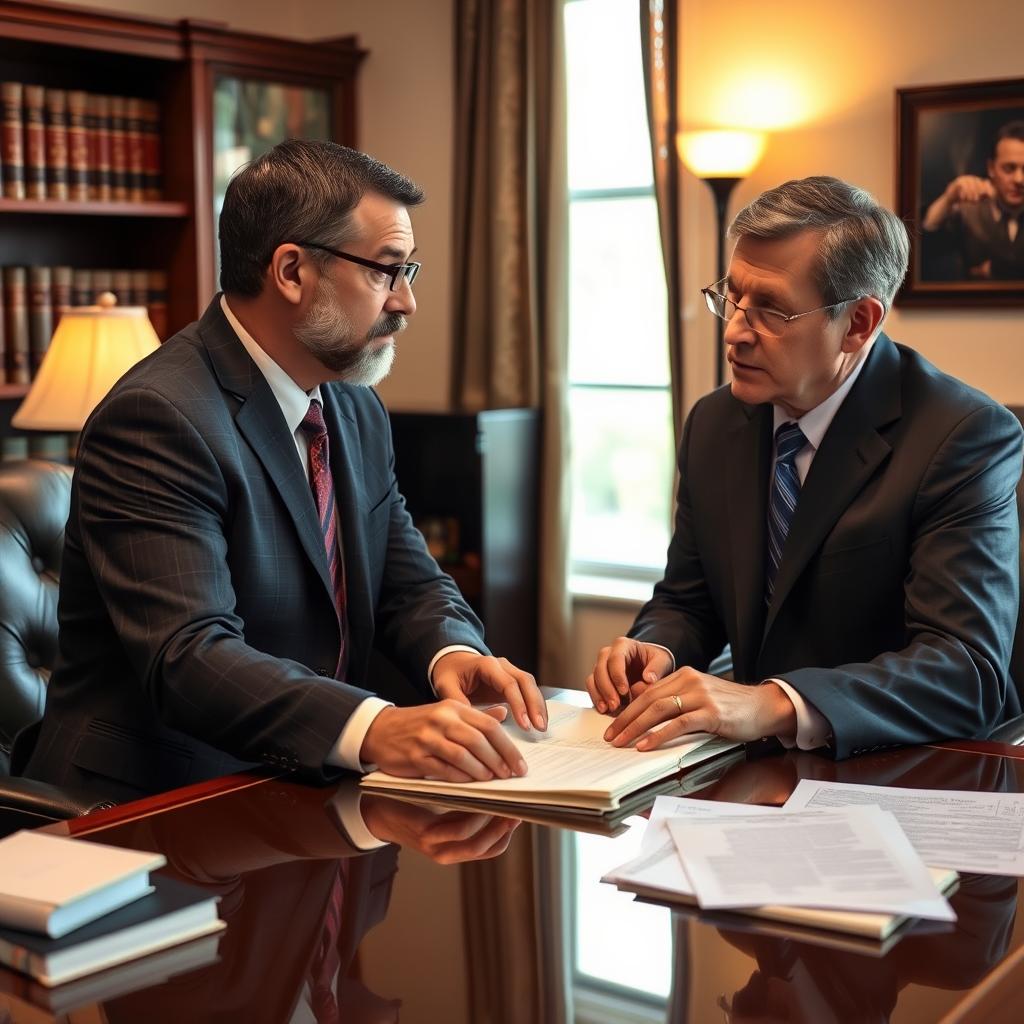
Malicious Wounding Lawyer Rappahannock County, VA
You were at a gathering in Washington, Virginia—a small, tight-knit community in Rappahannock County—when a disagreement turned physical. In the heat of the moment, a punch landed harder than anyone expected, and the other person sustained a serious injury. Now, instead of a simple argument, you are facing a malicious wounding charge under Va. Code § 18.2‑51, a Class 3 felony that carries a prison sentence of five to twenty years. If the Commonwealth’s Attorney alleges that the victim suffered permanent and significant impairment, the charge can be elevated to aggravated malicious wounding under § 18.2‑51.2, a Class 2 felony punishable by twenty years to life. Your case will proceed through the Rappahannock County General District Court for a preliminary hearing or directly to the Rappahannock County Circuit Court for a felony trial. At Law Offices Of SRIS, P.C., Mr. Sris and his Of Counsel handle serious felony assault cases across Virginia, including Rappahannock County. We know the stakes and we know the local courts. Reach our Fairfax location at (888) 437‑7747 to request a consultation. Law Offices Of SRIS, P.C. – Advocacy Without Borders.
How Mr. Sris and His Of Counsel Approach Malicious Wounding Defense
A malicious wounding charge is built on the allegation that you acted with the intent to maim, disfigure, disable, or kill. The evidence often includes witness statements, medical records, and sometimes photographs of the injury. Mr. Sris and his Of Counsel begin every defense by scrutinizing that evidence. We look for inconsistencies in witness accounts, question the medical documentation of the injury, and examine whether the Commonwealth can truly prove the specific intent the statute demands. We also explore whether the incident might have involved self‑defense, mutual combat, or an accidental injury rather than a deliberate wounding. In many cases, the charge can be challenged before a preliminary hearing in the Rappahannock County General District Court, where the prosecutor must show probable cause. If the case goes forward, we prepare for trial in the Rappahannock County Circuit Court. Throughout the process, we communicate openly about the strengths and weaknesses of your case so you can make informed decisions.
What to Expect After a Malicious Wounding Arrest in Rappahannock County
If you have been arrested, you will see a magistrate who will set bond. In Rappahannock County, a magistrate may consider factors such as your ties to the community, your criminal history, and the severity of the alleged injury. Mr. Sris and his Of Counsel can appear at your bond hearing to argue for pretrial release. The next stage is a preliminary hearing in the Rappahannock County General District Court, located at 250 Gay Street, Suite 1, Washington, VA 22747. At that hearing, the Commonwealth’s Attorney for Rappahannock County presents evidence to establish probable cause. If the judge finds probable cause, the case is certified to the Rappahannock County Circuit Court for trial. In Circuit Court, you have the right to a jury trial, and we will litigate every contested issue—from the admissibility of statements to the cross‑examination of treating physicians. The timeline for a felony trial depends on the court’s docket and the complexity of the matter, but we work to move the case forward while ensuring your defense is fully prepared.
Penalty Overview for Malicious Wounding in Virginia
Malicious wounding under Va. Code § 18.2‑51 is a Class 3 felony, punishable by imprisonment of five to twenty years and a fine of up to $100,000. The offense requires proof that you acted with malice and with the specific intent to maim, disfigure, disable, or kill. If the Commonwealth charges you under § 18.2‑51.2, aggravated malicious wounding—alleging that the victim suffered permanent and significant physical impairment—the offense becomes a Class 2 felony, carrying a sentence of twenty years to life in prison. A felony conviction also results in the loss of firearm rights and, in many cases, the loss of civil rights such as voting. Beyond incarceration, a malicious wounding conviction creates a permanent criminal record that can affect employment, professional licensing, and housing. Given these consequences, an experienced defense is critical. Mr. Sris and his Of Counsel have extensive experience handling violent‑felony cases and work to pursue the favorable outcomes under the specific facts of each case.
About Mr. Sris and the Firm’s Of Counsel Attorneys
Mr. Sris, Owner and Founder of Law Offices Of SRIS, P.C., is a former prosecutor who founded the firm in 1997. Having prosecuted cases earlier in his career, Mr. Sris understands how the Commonwealth builds a malicious wounding case, and he uses that insight to construct thorough defenses for the individuals he represents. He is admitted to practice in Virginia, Maryland, the District of Columbia, New Jersey, and New York, and he keeps a limited personal caseload so he can remain deeply involved in every matter the firm handles. The firm’s Of Counsel attorneys bring additional trial experience. Together, Mr. Sris and his Of Counsel appear regularly in Virginia circuit courts, including the Rappahannock County Circuit Court. Mr. Sris testified before the Virginia House Courts of Justice Committee in support of 2019 HB 635 (chief patron Del. David Bulova). For a consultation about a malicious wounding charge, reach our Fairfax location at (888) 437‑7747.
Frequently Asked Questions
What are the penalties for malicious wounding in Virginia?
Malicious wounding under Va. Code § 18.2‑51 is a Class 3 felony punishable by five to twenty years in prison and a fine of up to $100,000; aggrieved malicious wounding under § 18.2‑51.2 is a Class 2 felony carrying twenty years to life. The exact sentence depends on the severity of the injury, the defendant’s prior record, and any mitigating evidence presented at sentencing. Mr. Sris and his Of Counsel evaluate these factors thoroughly and present a persuasive case for the most favorable sentence possible.
What should I do if I am facing malicious wounding charges in Rappahannock County?
If you have been charged, you should exercise your right to remain silent and contact an experienced criminal defense attorney immediately. Do not discuss the incident with anyone other than your lawyer—statements you make to friends, family, or law enforcement can be used against you. An attorney can appear at your bond hearing, begin investigating the evidence, and advise you on how to navigate the court process in the Rappahannock County General District Court and Circuit Court.
How does a defense lawyer challenge a malicious wounding charge in Virginia?
A defense attorney may challenge the Commonwealth’s evidence of specific intent, contest the severity of the injury, or raise self‑defense and other affirmative defenses. For instance, if the prosecution cannot prove beyond a reasonable doubt that the defendant acted with malice and the intent to maim, the charge may be reduced to unlawful wounding or assault and battery. Mr. Sris and his Of Counsel investigate every aspect of the case, from witness credibility to forensic evidence, to identify the strong $1 strategy.
Will my malicious wounding case go to trial in Rappahannock County?
Not every case goes to trial; many are resolved through a plea agreement or a pretrial motion, but you have an absolute right to a jury trial in the Rappahannock County Circuit Court. The preliminary hearing in General District Court is often the first opportunity to challenge the prosecution’s evidence. If probable cause is found, the case proceeds to Circuit Court, where Mr. Sris and his Of Counsel will advise you on whether a negotiated resolution or a trial is in your best interest.
How does a malicious wounding charge affect my future?
A conviction can result in a lengthy prison sentence, loss of firearm rights, and a permanent felony record that limits employment and housing opportunities. Beyond the immediate penalties, a felony conviction may affect your ability to obtain professional licenses or security clearances. The collateral consequences are serious, which is why it is important to have an attorney who can work toward the most favorable resolution possible.
What is the difference between malicious wounding and aggravated malicious wounding?
Malicious wounding under § 18.2‑51 is a Class 3 felony with a five‑to‑twenty‑year sentence, while aggravated malicious wounding under § 18.2‑51.2 requires proof that the victim suffered permanent and significant physical impairment and is a Class 2 felony eligible for a life sentence. The determination often turns on medical evidence. Mr. Sris and his Of Counsel work with independent medical professionals to evaluate the alleged injury and challenge the prosecution’s characterization of it as permanent or significant.
For a detailed statutory analysis, see the comprehensive breakdown at our main criminal defense page.
To discuss your specific situation, reach Law Offices Of SRIS, P.C. at (888) 437‑7747. By appointment only. Our Fairfax location is at 4008 Williamsburg Court, Fairfax, VA 22032.
Attorney advertising. Prior results do not guarantee a similar outcome. Case results depend on a variety of factors unique to each case. Results may vary.